
Construction Safety Nets
Construction Safety Nets
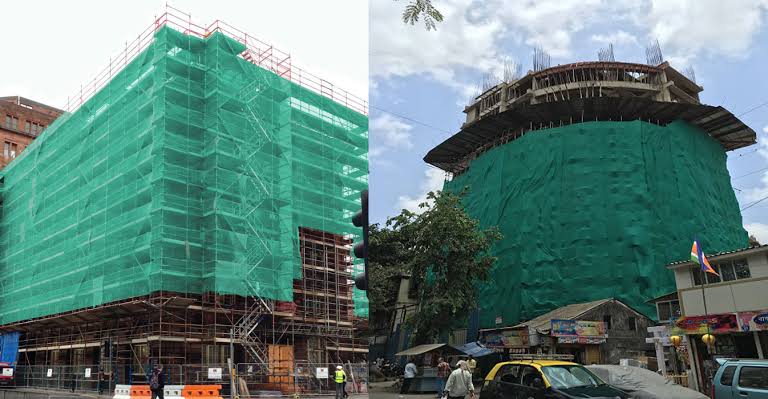
In the high-stakes world of construction, where sites buzz with activity at various elevations, the risk of accidents is ever-present. Construction Safety Nets are not just a regulatory requirement; they are the single most effective, passive defense system against one of the industry’s deadliest hazards: falls from height. These robust netting systems are the last line of defense, designed to save lives and protect property on every type of building project.
The Two Critical Functions of Construction Nets
Modern construction safety netting serves a dual purpose, making the worksite safer for personnel and for the public.
1. Fall Arrest for Personnel (The Life Saver): This is the primary function. Fall arrest nets are installed horizontally beneath work areas, steel structures, scaffolding, and elevated platforms.
Mitigating Impact: Engineered using high-tenacity materials like Polypropylene (PP) or Nylon, these nets are designed to stretch and absorb the dynamic energy of a falling worker. They safely arrest the fall, preventing a potentially fatal impact with the ground or lower building levels.
Worker Confidence: When workers know a certified safety net is installed below them, their confidence increases. This reduces hesitation and allows them to focus purely on their tasks, indirectly improving efficiency without compromising safety.
Compliance: In most jurisdictions, the use of tested and certified safety nets is mandatory under specific conditions, ensuring contractors meet stringent local and international safety standards (such as EN 1263-1).
2. Debris and Object Containment (The Public Protector): Construction sites are constantly generating or using materials that can fall, posing a threat to those inside and outside the perimeter.
Protecting the Public: On urban sites, nets installed vertically along the perimeter of the structure or scaffolding prevent tools, construction waste, concrete fragments, and small equipment from falling onto sidewalks, parked cars, or adjacent properties. This is crucial for minimizing liability and preventing serious injury to the public.
Site Cleanliness: Containment nets help keep the lower levels of the site free of scattered debris, contributing to a cleaner, more organized, and less hazardous environment for all trades working below.
Key Features of a Reliable Netting System
For safety nets to be effective in a construction setting, they must meet demanding standards for strength and durability:
High-Strength Material: Nets must be made from thick, multi-filament fibers (typically Nylon or Polypropylene) capable of withstanding heavy impact loads.
UV Stabilization: Exposure to continuous sunlight rapidly degrades standard materials. Quality construction nets are UV-stabilized to maintain their strength and integrity over the entire duration of a long project.
Fire Retardancy (Optional but Recommended): In some high-risk or specialized environments, fire-retardant nets are used to prevent fire spread across the building structure.
Professional Rigging: The net is only as safe as its anchor points. Certified professionals must install the nets, ensuring the correct tension, minimal clearance distance (the distance the net sags upon impact), and secure attachment to certified structural points.
By making Construction Safety Nets a primary component of their safety planning, companies demonstrate an unwavering commitment to protecting human life and maintaining a professional, compliant, and hazard-minimized worksite.
HDPE NYLON NETS,TUF NET & GARWARE NETS

Free & Fast Installation
We offer absolute Installation Free of nets fixing for all types of requirements in anywhere
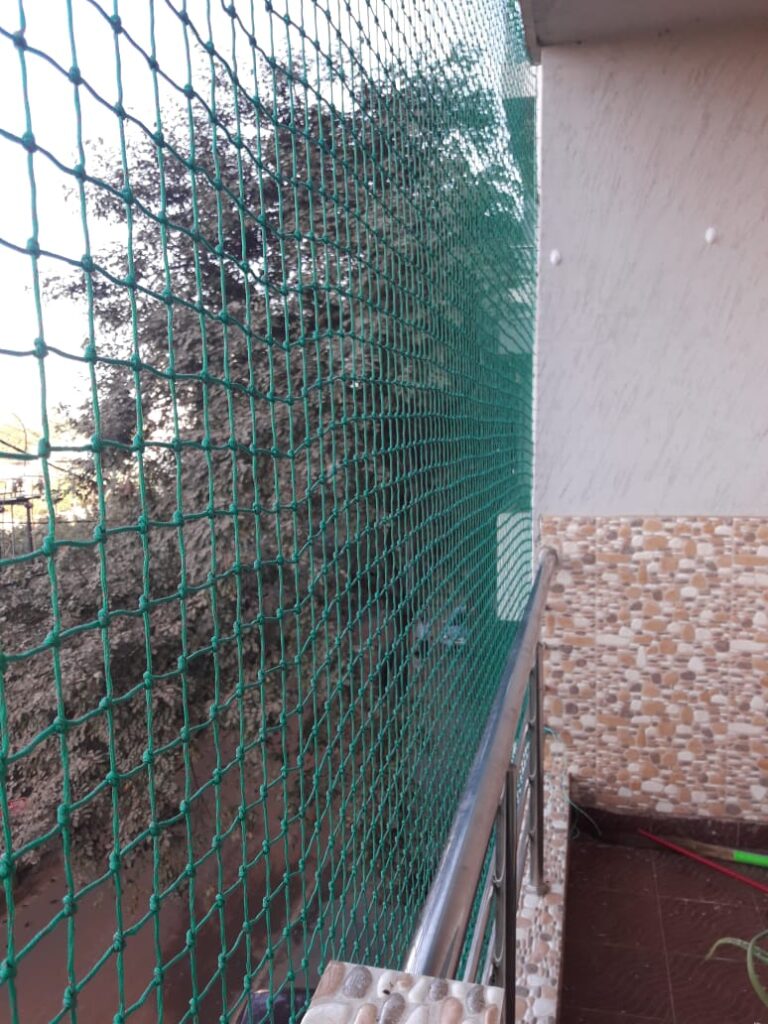
Best Quality Nets
We provides The Best Quality & Strong Nets. we are the wholesalers. We offer highly Lowest prices.